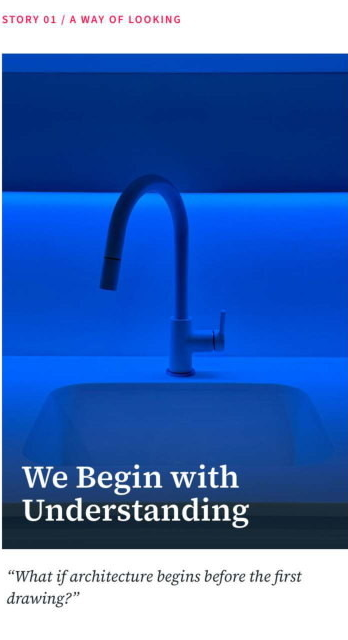
We Begin with Understanding
“What if architecture begins before the first drawing?”

Stories 01-23
The work is connected by the way each project was understood, rather than by building type alone.
“What if architecture begins before the first drawing?”
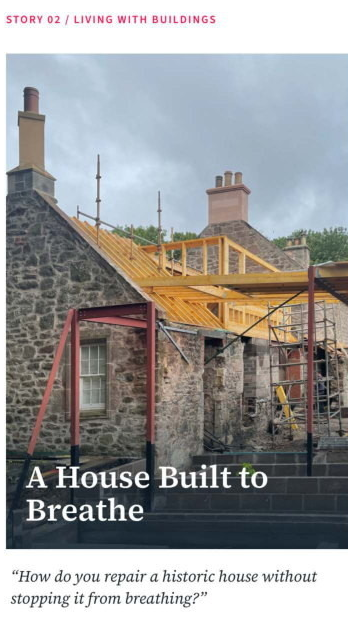
“How do you repair a historic house without stopping it from breathing?”
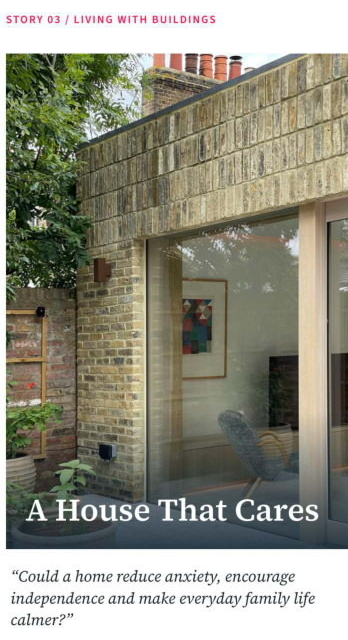
“Could a home reduce anxiety, encourage independence and make everyday family life calmer?”
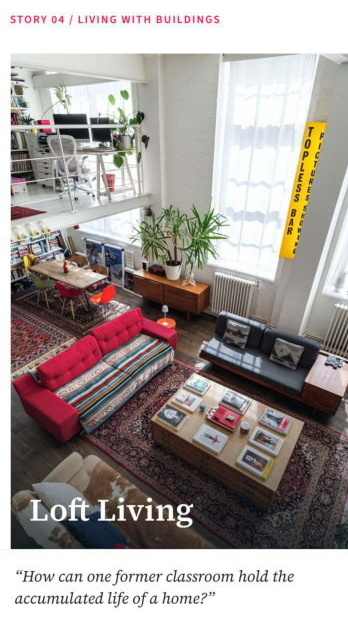
“How can one former classroom hold the accumulated life of a home?”
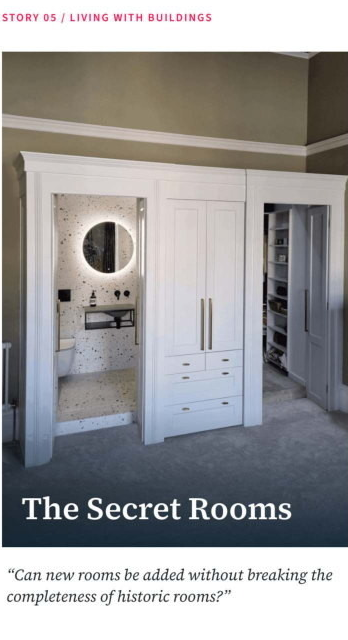
“Can new rooms be added without breaking the completeness of historic rooms?”
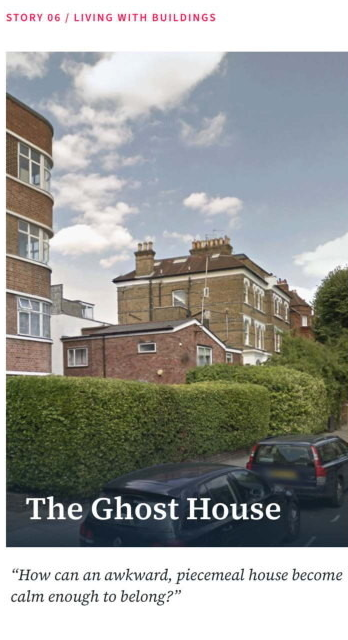
“How can an awkward, piecemeal house become calm enough to belong?”
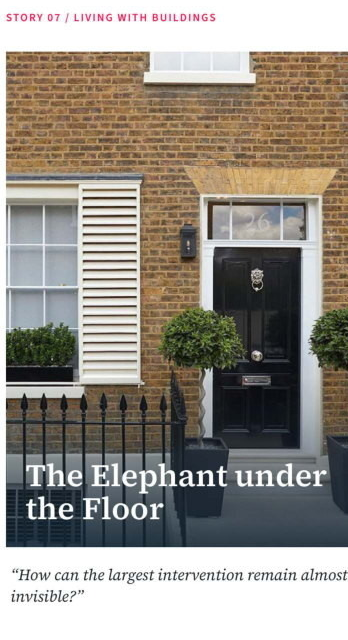
“How can the largest intervention remain almost invisible?”
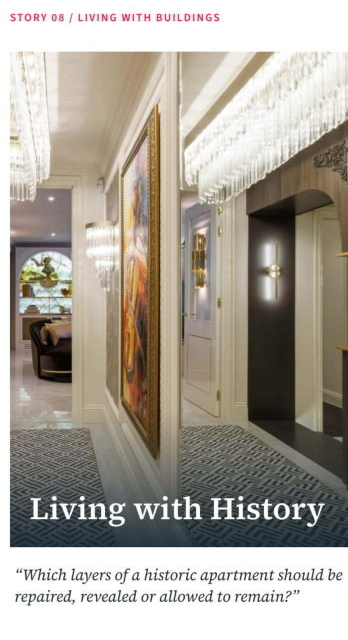
“Which layers of a historic apartment should be repaired, revealed or allowed to remain?”
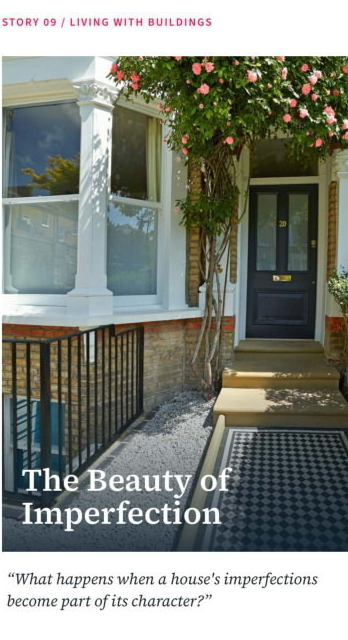
“What happens when a house’s imperfections become part of its character?”
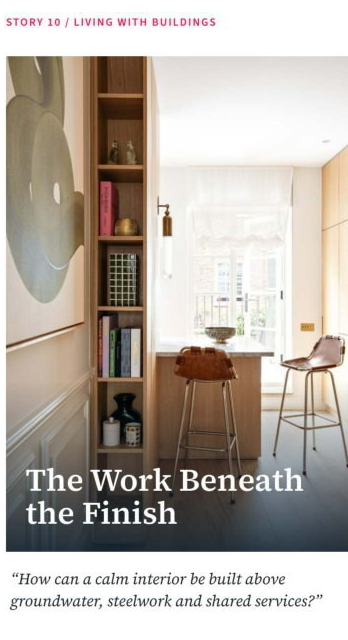
“How can a calm interior be built above groundwater, steelwork and shared services?”
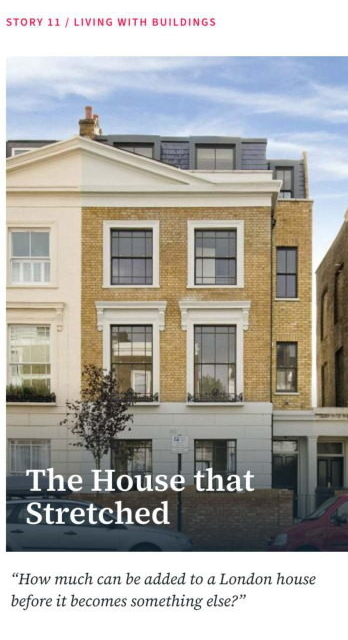
“How much can be added to a London house before it becomes something else?”
“How can specialist supported living protect people without feeling institutional?”
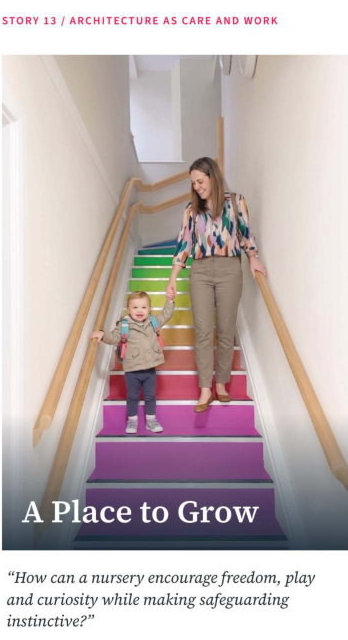
“How can a nursery encourage freedom, play and curiosity while making safeguarding instinctive?”
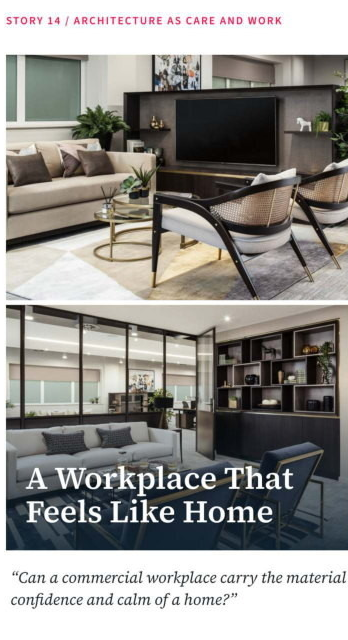
“Can a commercial workplace carry the material confidence and calm of a home?”
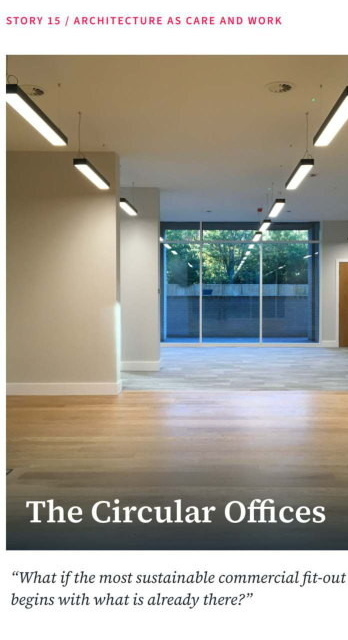
“What if the most sustainable commercial fit-out begins with what is already there?”
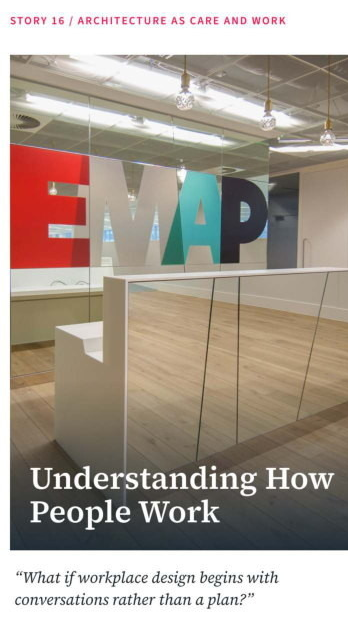
“What if workplace design begins with conversations rather than a plan?”
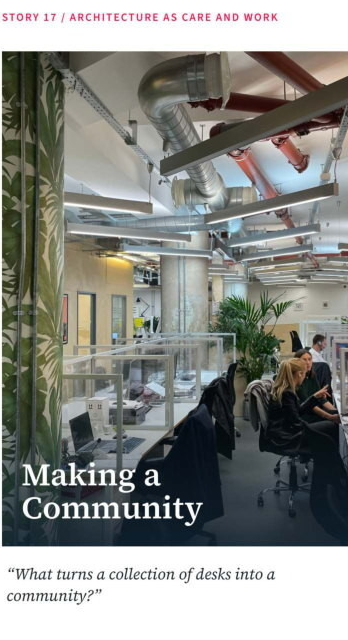
“What turns a collection of desks into a community?”
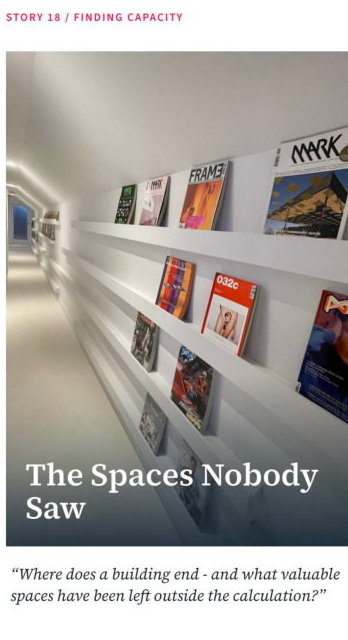
“Where does a building end — and what valuable spaces have been left outside the calculation?”
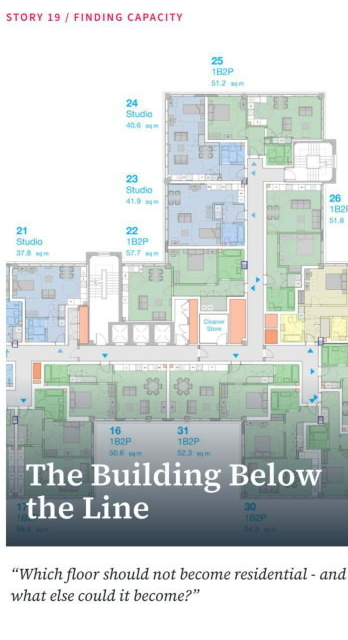
“Which floor should not become residential — and what else could it become?”
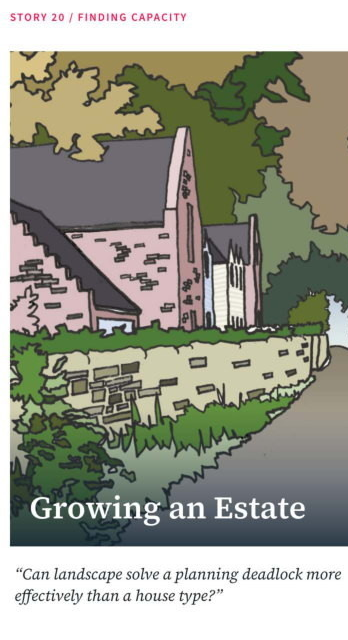
“Can landscape solve a planning deadlock more effectively than a house type?”
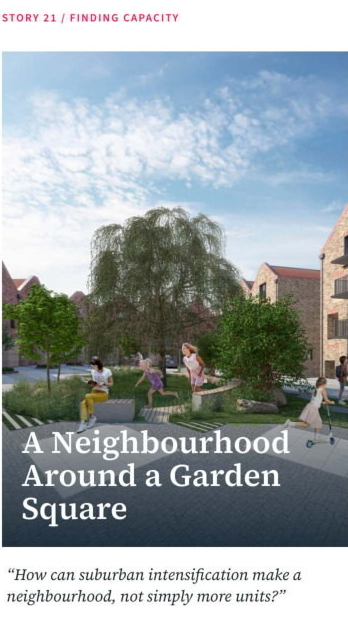
“How can suburban intensification make a neighbourhood, not simply more units?”
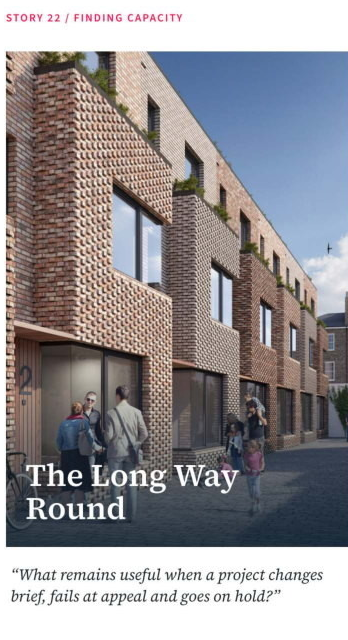
“What remains useful when a project changes brief, fails at appeal and goes on hold?”
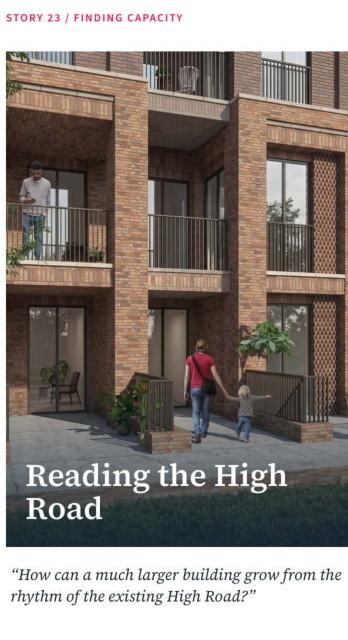
“How can a much larger building grow from the rhythm of the existing High Road?”